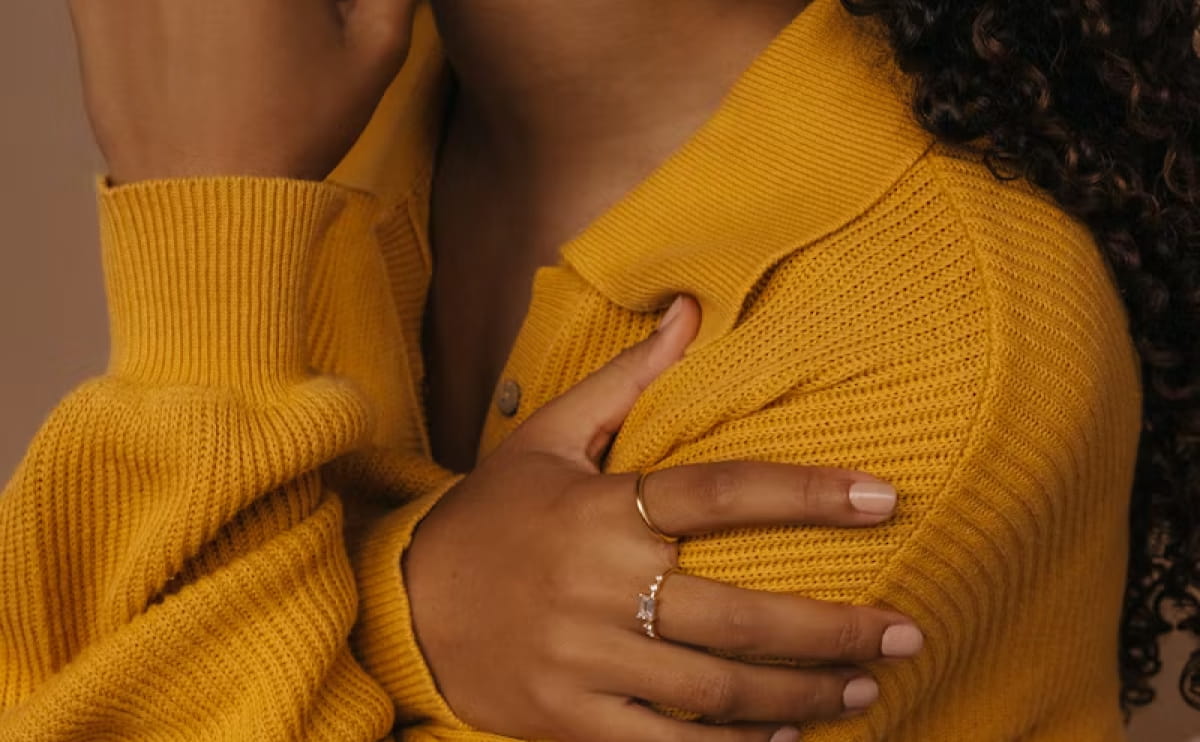
Chain length is another detail worth getting right. A 16-inch chain sits at the collarbone and is ideal for pendants you want to wear close to the neckline. An 18-inch chain falls just below the collarbone — the most universally flattering length for everyday wear. A 20-inch chain rests at the top of the chest and works well for larger, bolder pendants. Tennis necklaces are most commonly worn at 16 or 17 inches for a snug, classic fit. If you are unsure, 18 inches is almost always the right choice.
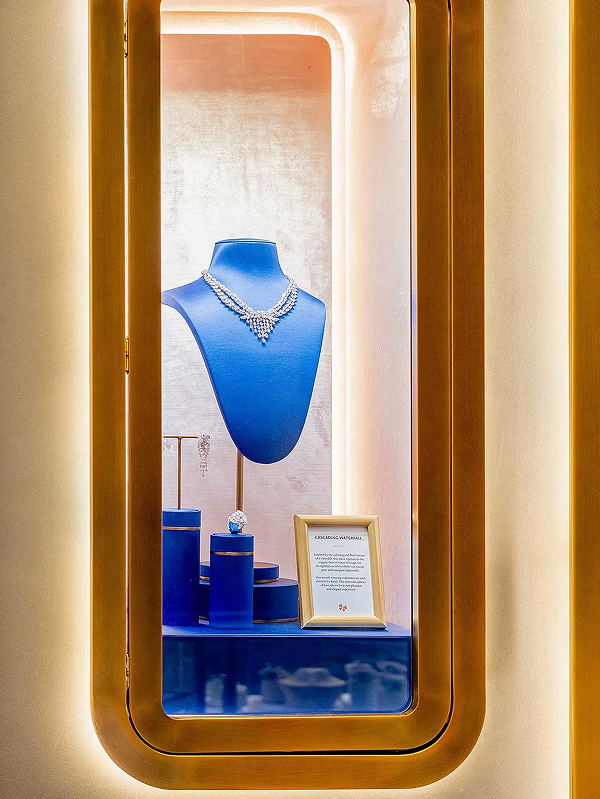
White Irises
Marty Randell
Cherry Blossom
Marty Randell

Diamonds have been treasured for thousands of years, but the way we understand and evaluate them today is the product of a remarkably precise science. Since the mid-twentieth century, gemologists have used a standardised framework — universally known as the Four Cs — to describe the quality of any diamond. Understanding these four properties will not turn you into an expert overnight, but it will give you the vocabulary and confidence to ask the right questions, compare stones fairly, and ultimately walk away with a piece you are proud to own.
Understanding the Four Cs
The Four Cs are Cut, Colour, Clarity, and Carat weight. Each plays a distinct role in determining how a diamond looks and how much it costs.
- Often considered the most important of the four, cut refers not to the shape of the diamond but to how well its facets interact with light. A well-cut stone will appear brilliantly alive; a poorly cut one will look dull regardless of its other qualities. Cut grades typically run from Excellent down to Poor.
- Diamond colour is graded on a scale from D (completely colourless) to Z (noticeably yellow or brown). For most necklace settings in white gold or platinum, diamonds in the D–G range appear beautifully white to the naked eye. In yellow gold settings, slightly warmer stones in the H–J range can look equally stunning at a more accessible price point.
- Clarity measures the presence of internal inclusions or external blemishes. The scale runs from Flawless (FL) to Included (I3). For a pendant worn at the chest, a stone graded VS2 or SI1 will almost certainly appear eye-clean — meaning no imperfections are visible without magnification — making it an excellent value choice.
- Carat is simply a measure of weight (one carat equals 0.2 grams). Larger stones are rarer and therefore more expensive per carat, but carat weight alone does not determine beauty. A smaller, well-cut diamond will consistently outshine a larger, poorly cut one.

Once you have a handle on the Four Cs, the next question is style. Diamond necklaces span an enormous range of designs, and understanding the most popular silhouettes will help you match the piece to its intended purpose — and to the person who will wear it.
A solitaire pendant is the most enduringly popular choice. A single diamond — round brilliant, oval, or pear-shaped — suspended from a fine chain is effortlessly versatile. It works with a casual weekend outfit and a black-tie gown in equal measure, which makes it an ideal everyday piece and a safe choice when you are buying for someone else. A halo pendant adds a ring of smaller diamonds around a central stone, dramatically amplifying the perceived size and sparkle for its price. For those who want something truly lavish, a tennis necklace — a continuous line of identically matched diamonds encircling the neck — is the pinnacle of diamond jewellery. It is a piece that genuinely needs no other jewellery to complete a look.
Thank you for taking the time to read this post. Stay tuned for more updates!